
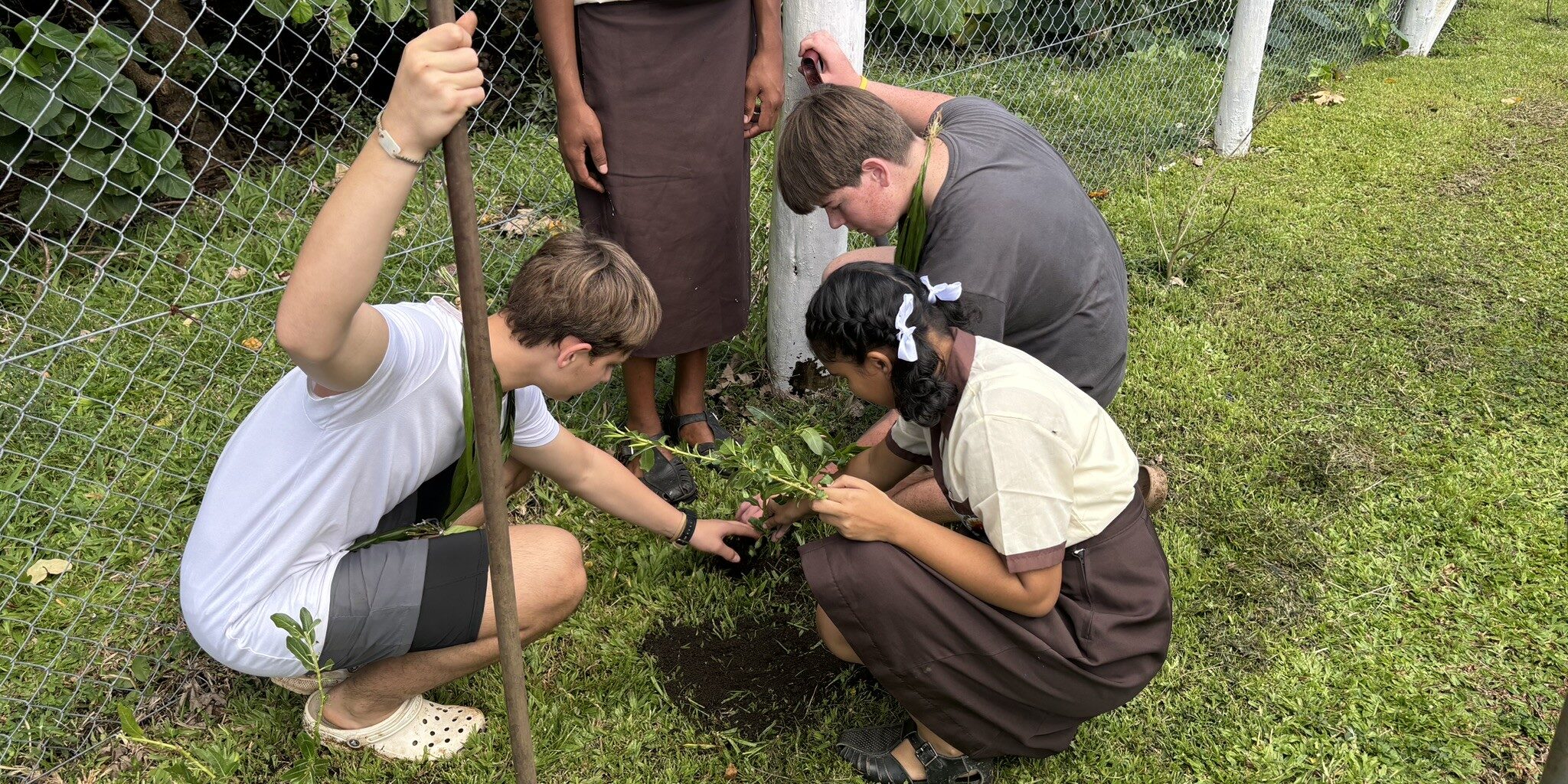
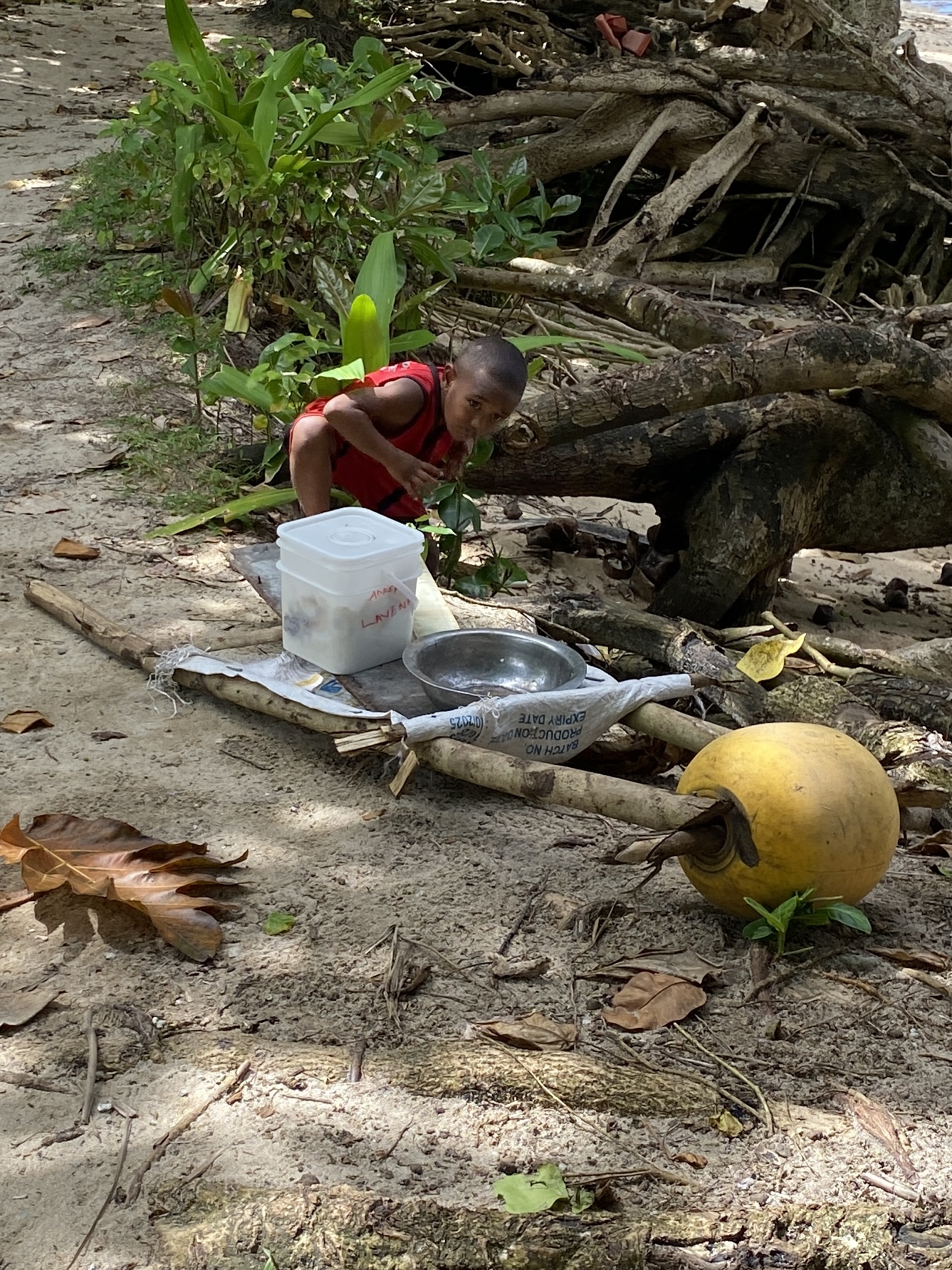
At The Island Classroom, we often describe Taveuni as our living classroom. While that phrase helps explain our approach, it only hints at what makes learning on the island so powerful.
Why Learning Beyond the Classroom Matters
Some of the most meaningful examples of learning beyond the classroom are not found in workshops, presentations or planned activities, but emerge through the experience of being in a different place, noticing different rhythms, and encountering different ways of living.
For many students, arriving on Taveuni is the first time they have spent meaningful time in a Pacific Island community. From the moment they arrive, they are immersed in a landscape, culture, and way of life that invites curiosity. The sights, sounds, smells, and routines of everyday life become part of the learning experience, often prompting questions and reflections that could never have been anticipated in advance.
Learning Begins with Paying Attention
One of the most interesting aspects of place-based learning is that it encourages students to notice things they would normally take for granted. At home, many of the systems that support daily life operate so seamlessly that they are almost invisible. Electricity is available at the flick of a switch, clean water arrives when a tap is turned on, groceries are available in abundance and transport networks operate largely as expected.
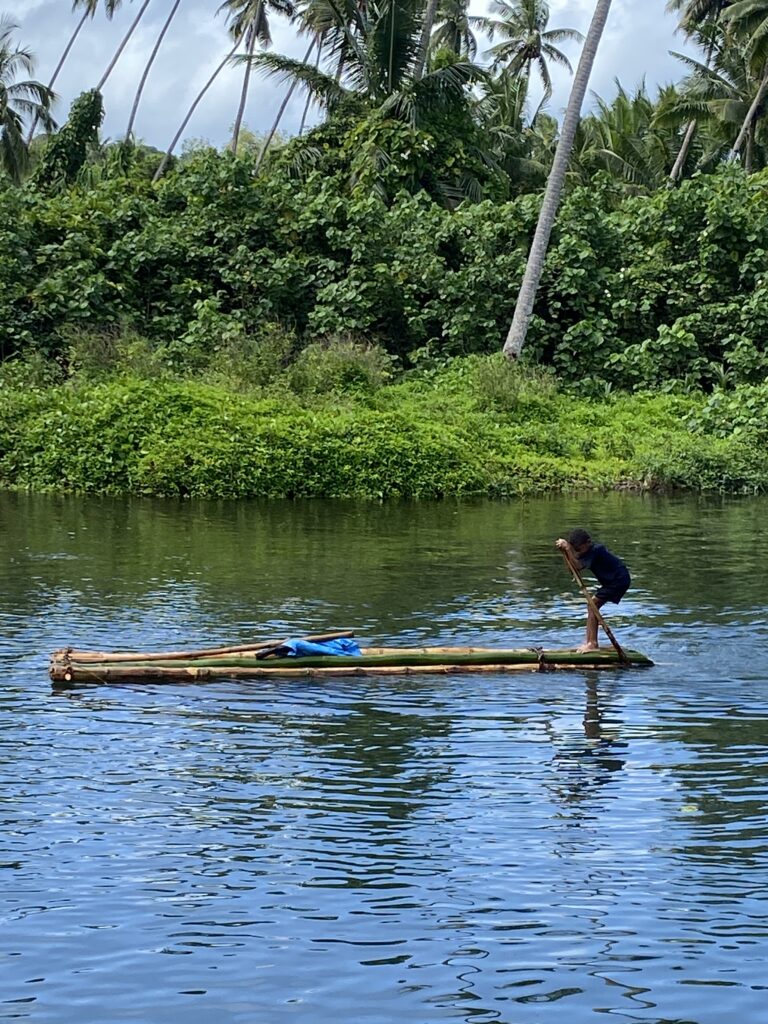
On Taveuni, these systems become more visible. Students begin to understand that infrastructure is not simply something that exists. It is built, maintained and adapted to local circumstances. Conversations about resilience, sustainability and community quickly become grounded in real-world observations rather than abstract ideas.
Rather than being told how communities function, students are able to see and experience it for themselves.
The Quiet Lessons Hidden in Everyday Life
Much of the learning on Taveuni occurs in moments that might appear unremarkable at first glance. It can happen while walking through a village, visiting a local business, speaking with a community leader or observing how families and communities interact with one another.
Students notice different housing styles, transport modes and accessibility (lots of walking by locals), and different community structures. They observe local shops and markets, the availability of goods, and the practical realities of living on an island. These experiences often prompt discussions about economics, geography, resource management and sustainability without the need for a formal lesson plan.
Importantly, these observations are not about comparing one way of life with another or deciding which is better. They are about understanding that there are many ways of organising a community, meeting people’s needs and building a meaningful life.
Food as a Window into Place
Food often becomes an unexpected teacher.
Many Australian and New Zealand students have grown up with year-round access to produce that arrives from around the country and across the world. Supermarkets are designed to provide consistency and abundance, regardless of season or location.
On Taveuni, students begin to think more carefully about where food comes from and the relationship between food, climate, culture, and geography. They become aware of seasonality, local production and the challenges associated with supply chains in more remote locations. A simple meal can become the starting point for conversations about sustainability, community resilience and the interconnected nature of modern life.
Food also creates opportunities for cultural exchange, helping students appreciate traditions, values, and practices that have been shaped over generations.
Climate Change Beyond Theory
For many young people, climate change is something they have encountered primarily through classroom discussions, news reports and social media. They understand the science, but the issue can still feel distant from everyday life.
Time spent in Fiji provides an opportunity to explore how environmental change intersects with community wellbeing, infrastructure, food systems and livelihoods. Students begin to see that climate adaptation is not simply a policy discussion. It is something communities are actively responding to and planning for.

These experiences often deepen students’ understanding of the challenges facing Pacific communities while also highlighting the creativity, adaptability and resilience that exist within those communities.
Community as a Learning Environment
One of the most distinctive features of The Island Classroom is the opportunity for students to learn through connection. Taveuni is not simply a destination where activities take place. It is a community made up of schools, businesses, families, villages and organisations that each hold valuable knowledge and perspectives.
Through community visits, school partnerships, conversations and shared experiences, students gain insights that cannot be found in a textbook. They develop a greater appreciation for different worldviews and begin to understand the importance of listening, relationship-building and reciprocity.
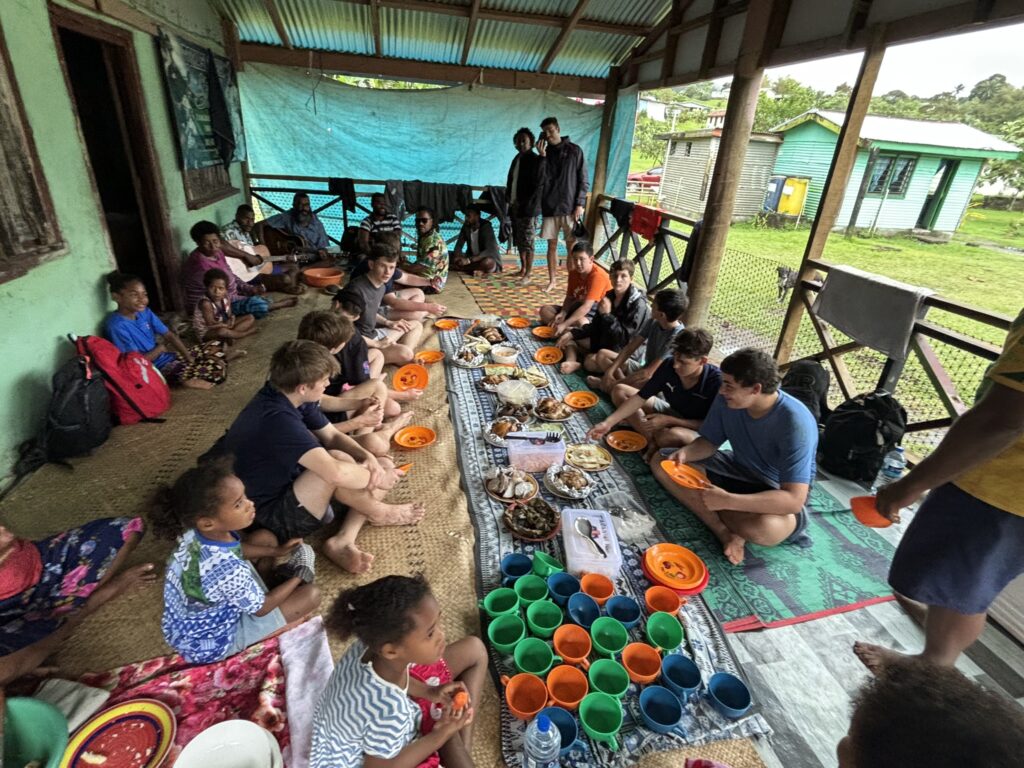
For many students, these interactions become some of the most memorable aspects of their time on the island.
Beyond the Comfort of Familiarity
We often talk about stepping outside our comfort zone, but that does not necessarily mean facing fear or hardship. Sometimes it simply means entering an unfamiliar environment and allowing ourselves to become more aware of the world around us.
On Taveuni, students encounter different sounds, different routines and different expectations. They are exposed to new perspectives and challenged to think more deeply about experiences they may previously have considered normal or universal.
This kind of learning is often gentle, but it can also be transformative. By engaging with difference in a thoughtful and supportive environment, students develop greater adaptability, empathy and self-awareness.
Why Taveuni Matters
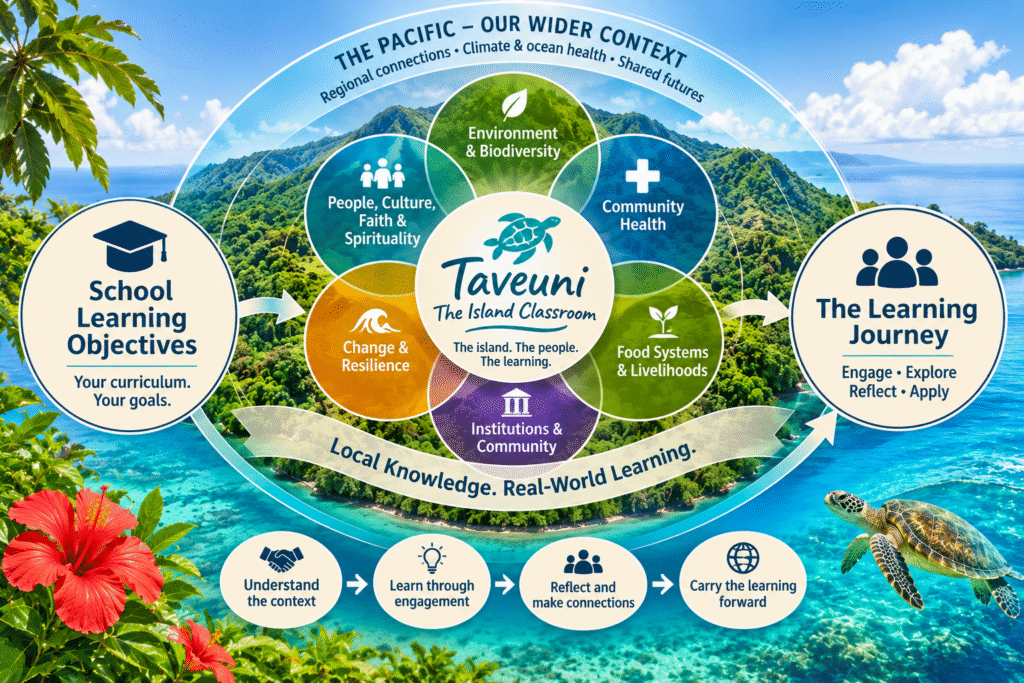
There are many beautiful places in the world and many destinations that can host educational programmes. What makes Taveuni special is the way environmental, cultural and community learning intersect in one place.
Students can explore biodiversity and marine environments, engage with local communities, learn from schools and businesses, and consider the realities of sustainability and climate adaptation within the same programme. The island provides a rich context for learning because it reveals the connections between people, place and systems in ways that are visible and accessible.
At The Island Classroom, we believe place has the capacity to teach. Not because it provides all the answers, but because it encourages better questions.
Taveuni invites students to slow down, pay attention and engage more deeply with the world around them. In doing so, it often reveals as much about their own assumptions and perspectives as it does about the Pacific itself.
That is why we call it our living classroom.
Leave a Reply